Sphinxa Brain centres on two core modes that feel genuinely different from each other. Temple Codes is a code-breaking puzzle — think Mastermind played on a sandstone game board carved with labyrinthine patterns, decorated with ruby medallions, lapis-blue scarab beetles, and teal diamond gems. You pick a difficulty from Easy (4 slots, 5 symbols, 10 attempts) through Normal and Hard all the way to Master (8 slots, 8 symbols, just 7 attempts), then use deductive logic to crack a hidden symbol sequence before your tries run out. A toggleable Timer mode layers pressure on top for those who want it.
Speed Math: sixty seconds, four choices, one winner
The second mode, Speed Math, strips everything back to raw arithmetic. A large equation appears centre-screen — a simple subtraction like 3 − 2 — and four answer buttons fill the lower half. You have 60 seconds to answer as many as possible, with a live combo multiplier rewarding consecutive correct answers. Coins earned equal your correct-answer count, and Season XP accumulates across sessions. The Insights tab shows rounds played, best score, accuracy percentage, best combo, and a bar chart of recent scores so the improvement arc is visible at a glance.
Practice and the Free Drill
Between competitive rounds, the Practice section lets you configure a Free Drill precisely: adjust code length, symbol pool size, and attempt count with stepper controls, and toggle "Show all clues" on or off for a more guided experience. An Interactive Tutorial walks through every clue type with live examples, which matters for new players since Temple Codes clues require a specific kind of reading — the tutorial is not optional decoration.
The app's one meaningful weakness is visual accessibility: the golden-amber accent colour that drives almost every active state — tabs, toggles, chart bars, numbered difficulty circles — may fall below WCAG AA contrast thresholds against the cream background, particularly for small text labels. Colour is also the sole indicator of toggle state and active navigation tab, with no fallback shape or weight change.
Atmosphere worth mentioning
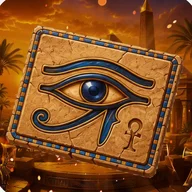
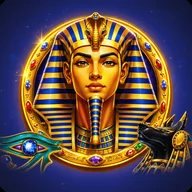
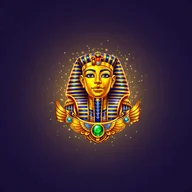
The Egyptian setting is more than a skin. The app icon shows a cracked sandstone tablet bearing the Eye of Horus against a fiery sunset sky flanked by obelisks and palm silhouettes. In-game, a pharaoh figure in gold-and-blue nemes headdress stands amid falling coins and floating hieroglyph medallions. The warm cream, deep royal blue, and metallic gold palette runs consistently from the game board through every stat card and navigation bar — a coherent visual identity that makes the puzzle-solving feel like excavating something rather than just tapping answers.