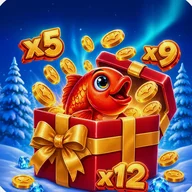
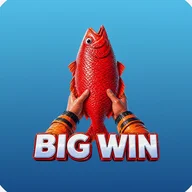
Lucky Ice Quest drops you onto a frozen lake where stillness and urgency exist side by side. The core mechanic is deceptively focused: hook the fish at precisely the right moment, or watch it slip off. Timing is everything — the more accurate your reaction, the bigger the catch and the higher your score.
Story, Choices, and Chapters
The game is built around a chapter-based narrative structure. Each chapter opens with a scene like "The Frozen Camp" — you arrive at a vast frozen lake, gear packed, deciding where to set up. Choices carry real weight: opt for the sheltered bay and play it safe with fewer fish, or risk the rocky cape for a trophy catch. Chapters end with a summary screen showing your score and the species you landed, such as the Frost Orange. An end-game screen awards titles like Lucky Survivor alongside a final score and fish count.
Visuals and Atmosphere
The art direction leans into a deep-blue winter palette — starry evening skies, snow-covered evergreen trees, mountain backdrops, and a small wooden cabin sitting quietly in the middle distance. Fish are rendered in vivid detail: golden-orange scales, bright fins, prominent eyes. The tackle box interface presents lures, spools, and bait in an organized grid of greens, yellows, purples, and blues. Water animations, light rays, and sparkle effects keep the scenes alive without overwhelming the core gameplay.
What Works and What Doesn't
The chapter structure is clear, the button labels are readable, and the numerical scoring system gives concrete feedback at every stage. Where Lucky Ice Quest runs into real trouble is accessibility. Fish species, story choices, and inventory items are distinguished almost entirely by color — with no text labels or alternative indicators. Interactive elements blend into decorative ones, small UI elements like score displays can be hard to tap accurately, and there are no visible accessibility controls of any kind. These are meaningful gaps for a broader audience.
Lucky Ice Quest is most rewarding when you lean into its narrative side — the choice-based camp decisions and chapter-by-chapter species tracking give it more texture than a simple reflex game. The accessibility shortfalls, however, are hard to ignore for anything beyond casual solo play.
Inventory and Collection
- A red tackle box organizes lures, spools, and bait across a grid-based compartment system
- Caught fish are recorded by species name and icon at each chapter's end
- A View Inventory button is available between chapters for review
- Golden coin symbols and a scoring system track performance numerically throughout